

Bilah Samping Artikel
Unduhan
Isi Artikel Utama
Abstrak
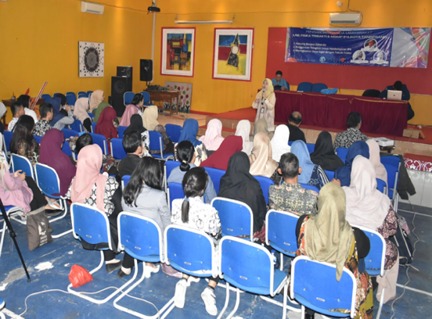
Tim Dosen Laboratorium Fisika, Fakultas Teknologi Industri Universitas Trisakti mengadakan kegiatan Pengabdian kepada Masyarakat (PkM) pada Kamis, 30 Mei 2024, bertempat di Musyawarah Guru Mata Pelajaran (MGMP) IPA Kota Tangerang. Pelatihan ini bertujuan meningkatkan kompetensi guru SMP dalam merancang, membangun, dan menggunakan roket air berbasis Arduino sebagai media edukatif Fisika. Kegiatan disajikan melalui pelatihan dan demonstrasi yang mencakup prinsip kerja roket air dengan memanfaatkan Hukum Newton, Momentum, dan Tekanan. Penggabungan Arduino memungkinkan roket air dikendalikan secara otomatis sekaligus memperkenalkan pemrograman dasar. Melalui pemanfaatan barang bekas, pelatihan ini mendukung keberlanjutan lingkungan dan menawarkan solusi pembelajaran yang ekonomis. Hasil pelatihan menunjukkan mayoritas guru mampu memahami penggunaan Arduino dalam pembelajaran Fisika dan mengaitkannya dengan materi relevan. Alat peraga ini dinilai mampu meningkatkan keterlibatan serta pemahaman konsep ilmiah peserta didik secara mendalam. Guru-guru peserta juga menunjukkan motivasi tinggi untuk mengadopsi alat peraga tersebut dalam praktikum di sekolah masing-masing.
Kata Kunci
Rincian Artikel

Artikel ini berlisensiCreative Commons Attribution-ShareAlike 4.0 International License.
Hak cipta artikel dimiliki oleh jurnal AKSIOLOGIYA

Ciptaan disebarluaskan di bawah Lisensi Creative Commons Atribusi-NonKomersial 4.0 Internasional.
Referensi
- Development Project. National Association of Rocketry.
- Bailio, P. A. (2016). Simple orifices have an edge – Complex entrance profiles boost orifice-flow efficiency but at the expense of repeatability. Retrieved 12 Mei 2016. http://machinedesign.com/article/simpl e-orifices-have-an-edge-0318.
- Dietzel, M. (2010). Modelling and Simulation of a Model Rocket Driven by Pressured Water as a Function of Start Parameter Variations.
- Finney, G. A. (2013). Analysis of a water-propelled rocket: A problem in honors physics. American Journal of Physics. 68(3), 223.
- Purwaningsih, E., Sari, S. P., Sari, A. M., & Suryadi, A. (2020). The effect of STEM-PjBL and discovery learning on improving students' problem-solving skills of the impulse and momentum topic. Jurnal Pendidikan IPA Indonesia, 9(4), 465-476.
- Hafiz, N. R. M & Ayop, S. K. (2020). The effect of an integrated-STEM water rocket module (SEMARAK) on STEM elements application among form four students. Int STEM J, 1(1), 1-16.
- Haryani, F. F., Amaliah, R., Fitrasari, D., & Viridi, S. (2016). Physics concepts in motion of water rocket game. Seminar Nasional Pendidikan Sains. p. 245-254.
- Irawati, I. (2016). Water rocket competition: Application of project-based physics learning. Proceedings of the National Seminar on Physics (E-Journal) SNF2016. V, 29-34. https://doi.org/10.21009/0305010207.
- Kian, J. T. (2016). Learn Physics with a Water-Propelled Rocket. Journal National Sapce Agency. Retrieved 12 Mei 2016/430_fullpaper_abstract%20number%2 0430.pdf
- Lockette, P. V., Acciani, D., Courtney, J., Diao, C., Riddell, W., Dahm, K., & Harvey, R. (2016). Bottle Rockets and Parametric Design in A Converging- Diverging Design Strategy. American Society for Engineering Educartion, p. 497.
- Muslow, M. (2011). Modelling and Optimization of multi-stage water rockets. Bachelor Thesis. MathematishNaturwissenschaftliche Fakultat. Ernst-Moritz-Arndt-Universitat Greifswald.
- Putri, L. R., Febrianti, K. V., Adji, A. A., & Arsi, F. (2023). Undergraduate engineering students’ attitude towards the use of phyphox in physics experiment. International Journal of Indonesian Education and Teaching, 7(2), 319-332. https://doi.org/10.24071/ijiet.v7i2.6182
- Rodrigues, H., & Panda, N. (2014). The Motion of Leaking Oscillator : A Study for the Physics Class. Rio de Janeiro, RJ, Brazil.
- Sanjaya, M. (2018). Physics Experiment Module II: Rocket and Projectile Motion Analysis. Bandung: UIN SGD.
- Simon, B., Christopher, M.B., and Hugh, H. (2011) Stochastic six-degree-of-freedom flight simulator for passively controlled high-power rockets. Journal of Aerospace Engineering V, 24(1), 31-45. https://doi.org/10.1061/ASCEAS.1943-5525.0000051
- Suudi, B. C., Yuniarti, H., Putri, L. R., & Utami, I. W. (2023). Fisika Mekanika. Bogor: Kaya Ilmu Bermanfaat.
- Thorncroft, G.E., J.R. Ridgely, & C.C. Pascual. (2012). Hydrodynamics and thrust characteristics of a water-propelled rocket. Int. J. of Mech. Eng. Ed. 37(3), 241-261.
- Tomita, N., Watanabe, R., & Nebylov, A. (2007). Hands-on education system using water rocket. Acta Astronautica. 61(11-12), p. 1116-1120. https://doi.org/ 10.1016/j.actaastro.2006.12.029
Referensi
Development Project. National Association of Rocketry.
Bailio, P. A. (2016). Simple orifices have an edge – Complex entrance profiles boost orifice-flow efficiency but at the expense of repeatability. Retrieved 12 Mei 2016. http://machinedesign.com/article/simpl e-orifices-have-an-edge-0318.
Dietzel, M. (2010). Modelling and Simulation of a Model Rocket Driven by Pressured Water as a Function of Start Parameter Variations.
Finney, G. A. (2013). Analysis of a water-propelled rocket: A problem in honors physics. American Journal of Physics. 68(3), 223.
Purwaningsih, E., Sari, S. P., Sari, A. M., & Suryadi, A. (2020). The effect of STEM-PjBL and discovery learning on improving students' problem-solving skills of the impulse and momentum topic. Jurnal Pendidikan IPA Indonesia, 9(4), 465-476.
Hafiz, N. R. M & Ayop, S. K. (2020). The effect of an integrated-STEM water rocket module (SEMARAK) on STEM elements application among form four students. Int STEM J, 1(1), 1-16.
Haryani, F. F., Amaliah, R., Fitrasari, D., & Viridi, S. (2016). Physics concepts in motion of water rocket game. Seminar Nasional Pendidikan Sains. p. 245-254.
Irawati, I. (2016). Water rocket competition: Application of project-based physics learning. Proceedings of the National Seminar on Physics (E-Journal) SNF2016. V, 29-34. https://doi.org/10.21009/0305010207.
Kian, J. T. (2016). Learn Physics with a Water-Propelled Rocket. Journal National Sapce Agency. Retrieved 12 Mei 2016/430_fullpaper_abstract%20number%2 0430.pdf
Lockette, P. V., Acciani, D., Courtney, J., Diao, C., Riddell, W., Dahm, K., & Harvey, R. (2016). Bottle Rockets and Parametric Design in A Converging- Diverging Design Strategy. American Society for Engineering Educartion, p. 497.
Muslow, M. (2011). Modelling and Optimization of multi-stage water rockets. Bachelor Thesis. MathematishNaturwissenschaftliche Fakultat. Ernst-Moritz-Arndt-Universitat Greifswald.
Putri, L. R., Febrianti, K. V., Adji, A. A., & Arsi, F. (2023). Undergraduate engineering students’ attitude towards the use of phyphox in physics experiment. International Journal of Indonesian Education and Teaching, 7(2), 319-332. https://doi.org/10.24071/ijiet.v7i2.6182
Rodrigues, H., & Panda, N. (2014). The Motion of Leaking Oscillator : A Study for the Physics Class. Rio de Janeiro, RJ, Brazil.
Sanjaya, M. (2018). Physics Experiment Module II: Rocket and Projectile Motion Analysis. Bandung: UIN SGD.
Simon, B., Christopher, M.B., and Hugh, H. (2011) Stochastic six-degree-of-freedom flight simulator for passively controlled high-power rockets. Journal of Aerospace Engineering V, 24(1), 31-45. https://doi.org/10.1061/ASCEAS.1943-5525.0000051
Suudi, B. C., Yuniarti, H., Putri, L. R., & Utami, I. W. (2023). Fisika Mekanika. Bogor: Kaya Ilmu Bermanfaat.
Thorncroft, G.E., J.R. Ridgely, & C.C. Pascual. (2012). Hydrodynamics and thrust characteristics of a water-propelled rocket. Int. J. of Mech. Eng. Ed. 37(3), 241-261.
Tomita, N., Watanabe, R., & Nebylov, A. (2007). Hands-on education system using water rocket. Acta Astronautica. 61(11-12), p. 1116-1120. https://doi.org/ 10.1016/j.actaastro.2006.12.029