

Bilah Samping Artikel
Unduhan
Isi Artikel Utama
Abstrak
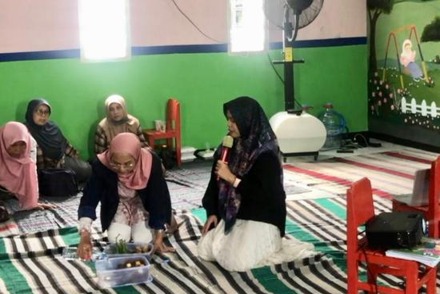
Penelitian ini mengkaji pelaksanaan program Pelatihan Guru PAUD Berbasis Experiential-Deep Learning Kemaritiman untuk Menumbuhkan Ecoliteracy di Pesisir Pantai Kenjeran, Surabaya. Program ini bertujuan untuk meningkatkan pemahaman dan keterampilan guru PAUD dalam menerapkan pendekatan pembelajaran berbasis pengalaman (experiential learning) dan pembelajaran mendalam (deep learning) yang berfokus pada isu lingkungan pesisir, seperti pencemaran pantai dan kerusakan ekosistem laut. Sebelum pelatihan, mayoritas guru belum memahami konsep-konsep tersebut. Pelatihan ini telah diikuti oleh 40 guru PAUD di lingkup IGTKI Kenjeran. Setelah mengikuti pelatihan intensif, terdapat peningkatan signifikan dalam pemahaman guru, dengan skor post-test yang lebih tinggi dalam hal penguasaan topik seperti ecoliteracy, perancangan RPP berbasis lingkungan, serta pembuatan media pembelajaran kreatif. Terdapat kenaikan pemahaman peserta dengan rerata 54,2%. Program ini menunjukkan bahwa pendidikan berbasis pengalaman efektif dalam menumbuhkan kesadaran lingkungan pada anak usia dini, serta berkontribusi pada pengembangan kompetensi guru PAUD di kawasan pesisir Kenjeran.
Kata Kunci
Rincian Artikel

Artikel ini berlisensiCreative Commons Attribution-ShareAlike 4.0 International License.
Hak Cipta & Lisensi:

Hak Cipta artikel ini dipegang oleh Penulis (Author retains copyright). Ciptaan ini disebarluaskan di bawah Lisensi Creative Commons Atribusi-NonKomersial 4.0 Internasional (CC BY-NC 4.0).
Referensi
- Ambrose, S. A., Bridges, M. W., DiPietro, M., Lovett, M. C., & Norman, M. K. (2010). How learning works: Seven research-based principles for smart teaching. Jossey-Bass.
- Bang, K.-S., Kim, S., Song, M. K., Kang, K. I., & Jeong, Y. (2018). The effects of nature experiences on the development of environmental attitudes and environmental behaviors. Sustainability, 10(9), 3247.
- Bronfenbrenner, U. (1979). The ecology of human development: Experiments by nature and design. Harvard University Press.
- Capra, F. (1997). The web of life: A new scientific understanding of living systems. Anchor Books.
- Chawla, L. (2007). Childhood experiences associated with care for the natural world: A theoretical framework for empirical results. Children, Youth and Environments, 17(4), 144–170.
- Cooper, L., Orrell, J., & Bowden, M. (2010). Work integrated learning: A guide to effective practice. Routledge.
- Corraliza, J. A., & Collado, S. (2019). Experiencing nature and children’s conceptualizations of the environment. Children, Youth and Environments, 29(1), 1–17.
- Ewert, A., Place, G., & Sibthorp, J. (2005). Early-life outdoor experiences and an individual’s environmental attitudes. Leisure Sciences, 27(3), 225–239. https://doi.org/10.1080/01490400590930853
- Fry, H., Ketteridge, S., & Marshall, S. (2009). A handbook for teaching and learning in higher education: Enhancing academic practice (3rd ed.). Routledge.
- Goleman, D., Bennett, L., & Barlow, Z. (2012). Ecoliterate: How educators are cultivating emotional, social, and ecological intelligence. Jossey-Bass.
- Gordon, C., & Debus, R. (2002). Developing deep learning approaches and personal teaching efficacy within a preservice teacher education context. British Journal of Educational Psychology, 72, 483–511. https://doi.org/10.1348/00070990260377488
- Kondo, M. C., Fluehr, J. M., McKeon, T., & Branas, C. C. (2018). Urban greenspace and health: A systematic review of epidemiological studies. International Journal of Environmental Research and Public Health, 15(11), 2574. https://doi.org/10.3390/ijerph15112574
- Kolan, P., & Madhumathi, C. (2018, February 22–23). Ecoliteracy – Role of early childhood education [Paper presentation]. National Seminar on Sustainable Development Goals, Tamil Nadu, India.
- Kolb, A. Y., & Kolb, D. A. (2009). The learning way: Meta-cognitive aspects of experiential learning. Simulation & Gaming, 40(3), 297–327. https://doi.org/10.1177/1046878108325713
- Kolan, P., & Madhumathi, C. (2018, February). Ecoliteracy – Role of Early Childhood Education. Paper presented at the National Seminar on Sustainable Development Goals, Tamil Nadu, India.
- Larimore, R. A. (2016). Establishing a nature-based preschool. Redleaf Press.
- Otto, S., Evans, G. W., Moon, M. J., & Kaiser, F. G. (2019). The development of children’s environmental attitudes and behaviors. Global Environmental Change, 58, 101947. https://doi.org/10.1016/j.gloenvcha.2019.101947
- Orr, D. W. (1992). Ecological literacy: Education and the transition to a postmodern world. State University of New York Press.
- Phenice, L. A., & Griffore, R. J. (2003). Young children and the natural world. Contemporary Issues in Early Childhood, 4(2), 167–171.
- Rahanyaan, R. H. R., & Sulistyowati, E. (2019). Kesadaran Hukum Wisatawan Dalam Membuang Sampah Plastik di Taman Hiburan Pantai Kenjeran Kota Surabaya. Novum: Jurnal Hukum, 6(4).
- Rosa, C. D., Profice, C. C., & Collado, S. (2018). Nature experiences and adults’ self-reported pro-environmental behaviors: The role of connectedness to nature and childhood nature experiences. Frontiers in Psychology, 9, 1055. https://doi.org/10.3389/fpsyg.2018.01055
- Schutte, A. R., Torquati, J. C., & Beattie, H. L. (2017). Impact of urban nature on executive functioning in early and middle childhood. Environment and Behavior, 49(1), 3-30. https://doi.org/10.1177/0013916515609407
- Sobel, D. (2016). Nature preschools and forest kindergartens: The handbook for outdoor learning. Redleaf Press.
- Tillmann, S., Clark, A. F., Gilliland, J. A., & Irwin, J. D. (2018). Children's outdoor play and peer relationships in the context of nature-based environments. Children, Youth and Environments, 28(2), 68–87.
- Twohig-Bennett, C., & Jones, A. (2018). The health benefits of the great outdoors: A systematic review and meta-analysis of greenspace exposure and health outcomes. Environmental Research, 166, 628-637. https://doi.org/10.1016/j.envres.2018.06.030
- Wells, N. M., & Lekies, K. S. (2006). Nature and the life course: Pathways from childhood nature experiences to adult environmentalism. Children, Youth and Environments, 16(1), 1–24.
- Wicaksono, Y. (2024) Aktivis Lingkungan Dapati 160 kilogram sampah Plastik di pesisir kenjeran, Super Radio. Available at: https://www.superradio.id/aktivis-lingkungan-dapati-160-kilogram-sampah-plastik-di-pesisir-kenjeran/ (Accessed: 10 April 2025).
- Walhi. (2023) Timbunan Sampah di Pantai Kenjeran park sang icon Kota Surabaya, Walhi Jawa Timur. Available at: https://walhijatim.org/2023/03/13/timbunan-sampah-di-pantai-kenjeran-park-sang-icon-kota-surabaya/ (Accessed: 10 April 2025).
Referensi
Ambrose, S. A., Bridges, M. W., DiPietro, M., Lovett, M. C., & Norman, M. K. (2010). How learning works: Seven research-based principles for smart teaching. Jossey-Bass.
Bang, K.-S., Kim, S., Song, M. K., Kang, K. I., & Jeong, Y. (2018). The effects of nature experiences on the development of environmental attitudes and environmental behaviors. Sustainability, 10(9), 3247.
Bronfenbrenner, U. (1979). The ecology of human development: Experiments by nature and design. Harvard University Press.
Capra, F. (1997). The web of life: A new scientific understanding of living systems. Anchor Books.
Chawla, L. (2007). Childhood experiences associated with care for the natural world: A theoretical framework for empirical results. Children, Youth and Environments, 17(4), 144–170.
Cooper, L., Orrell, J., & Bowden, M. (2010). Work integrated learning: A guide to effective practice. Routledge.
Corraliza, J. A., & Collado, S. (2019). Experiencing nature and children’s conceptualizations of the environment. Children, Youth and Environments, 29(1), 1–17.
Ewert, A., Place, G., & Sibthorp, J. (2005). Early-life outdoor experiences and an individual’s environmental attitudes. Leisure Sciences, 27(3), 225–239. https://doi.org/10.1080/01490400590930853
Fry, H., Ketteridge, S., & Marshall, S. (2009). A handbook for teaching and learning in higher education: Enhancing academic practice (3rd ed.). Routledge.
Goleman, D., Bennett, L., & Barlow, Z. (2012). Ecoliterate: How educators are cultivating emotional, social, and ecological intelligence. Jossey-Bass.
Gordon, C., & Debus, R. (2002). Developing deep learning approaches and personal teaching efficacy within a preservice teacher education context. British Journal of Educational Psychology, 72, 483–511. https://doi.org/10.1348/00070990260377488
Kondo, M. C., Fluehr, J. M., McKeon, T., & Branas, C. C. (2018). Urban greenspace and health: A systematic review of epidemiological studies. International Journal of Environmental Research and Public Health, 15(11), 2574. https://doi.org/10.3390/ijerph15112574
Kolan, P., & Madhumathi, C. (2018, February 22–23). Ecoliteracy – Role of early childhood education [Paper presentation]. National Seminar on Sustainable Development Goals, Tamil Nadu, India.
Kolb, A. Y., & Kolb, D. A. (2009). The learning way: Meta-cognitive aspects of experiential learning. Simulation & Gaming, 40(3), 297–327. https://doi.org/10.1177/1046878108325713
Kolan, P., & Madhumathi, C. (2018, February). Ecoliteracy – Role of Early Childhood Education. Paper presented at the National Seminar on Sustainable Development Goals, Tamil Nadu, India.
Larimore, R. A. (2016). Establishing a nature-based preschool. Redleaf Press.
Otto, S., Evans, G. W., Moon, M. J., & Kaiser, F. G. (2019). The development of children’s environmental attitudes and behaviors. Global Environmental Change, 58, 101947. https://doi.org/10.1016/j.gloenvcha.2019.101947
Orr, D. W. (1992). Ecological literacy: Education and the transition to a postmodern world. State University of New York Press.
Phenice, L. A., & Griffore, R. J. (2003). Young children and the natural world. Contemporary Issues in Early Childhood, 4(2), 167–171.
Rahanyaan, R. H. R., & Sulistyowati, E. (2019). Kesadaran Hukum Wisatawan Dalam Membuang Sampah Plastik di Taman Hiburan Pantai Kenjeran Kota Surabaya. Novum: Jurnal Hukum, 6(4).
Rosa, C. D., Profice, C. C., & Collado, S. (2018). Nature experiences and adults’ self-reported pro-environmental behaviors: The role of connectedness to nature and childhood nature experiences. Frontiers in Psychology, 9, 1055. https://doi.org/10.3389/fpsyg.2018.01055
Schutte, A. R., Torquati, J. C., & Beattie, H. L. (2017). Impact of urban nature on executive functioning in early and middle childhood. Environment and Behavior, 49(1), 3-30. https://doi.org/10.1177/0013916515609407
Sobel, D. (2016). Nature preschools and forest kindergartens: The handbook for outdoor learning. Redleaf Press.
Tillmann, S., Clark, A. F., Gilliland, J. A., & Irwin, J. D. (2018). Children's outdoor play and peer relationships in the context of nature-based environments. Children, Youth and Environments, 28(2), 68–87.
Twohig-Bennett, C., & Jones, A. (2018). The health benefits of the great outdoors: A systematic review and meta-analysis of greenspace exposure and health outcomes. Environmental Research, 166, 628-637. https://doi.org/10.1016/j.envres.2018.06.030
Wells, N. M., & Lekies, K. S. (2006). Nature and the life course: Pathways from childhood nature experiences to adult environmentalism. Children, Youth and Environments, 16(1), 1–24.
Wicaksono, Y. (2024) Aktivis Lingkungan Dapati 160 kilogram sampah Plastik di pesisir kenjeran, Super Radio. Available at: https://www.superradio.id/aktivis-lingkungan-dapati-160-kilogram-sampah-plastik-di-pesisir-kenjeran/ (Accessed: 10 April 2025).
Walhi. (2023) Timbunan Sampah di Pantai Kenjeran park sang icon Kota Surabaya, Walhi Jawa Timur. Available at: https://walhijatim.org/2023/03/13/timbunan-sampah-di-pantai-kenjeran-park-sang-icon-kota-surabaya/ (Accessed: 10 April 2025).