

Bilah Samping Artikel
Unduhan
Isi Artikel Utama
Abstrak
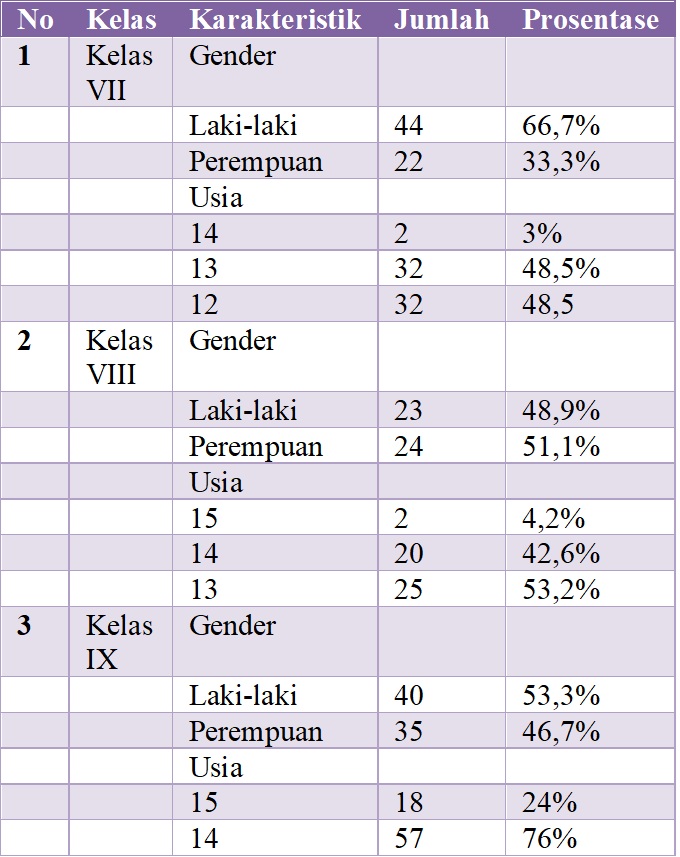
Perilaku bullying masih banyak dilakukan siswa di SMP Muhammadiyah Malang terutama bullying secara verbal antara lain dengan mengolok-olok, mencaci maki, mengumpat, dan menghina. Dampak dari bullying verbal ini korban menjadi malu, minder, menghindar dari pergaulan, dan menjadi malas sekolah. Pihak sekolah sering melakukan edukasi pada siswa siswi dengan tujuan untuk tidak melakukan bullying lagi dan melapor ke sekolah jika ada yang dibully. Akan tetapi perilaku bullying masih sering dilakukan oleh siswa siswa. Tujuan dari kegiatan ini untuk meningkatkan empati pada siswa siswi dengan demikian mampu membantu teman yang dibully. Metodenya adalah edukasi dan model pembelajaran skenario berbasis pengalaman multi peran pada kelas VII, VIII, dan IX dengan mengukur skor empati sebelum dan sesudah kegiatan menggunakan the Toronto empathy questionnaire (TEQ), di mana siswa siswi akan bermain peran bergantian baik sebagai korban, pelaku, maupun pengamat dengan skenario yang sudah dibuat. Pada siswa kelas 7, dari 66 siswa, sebelum kegiatan skor empati rendah 37 siswa dan sesudah kegiatan 32 siswa. Siswa kelas 8 dari 47 siswa, sebelum kegiatan skor empati rendah 26 siswa dan sesudah kegiatan 23 siswa. Siswa kelas 9,sebelum kegiatan skor empati rendah 45 siswa dan sesudah kegiatan 37 siswa. Kesimpulan : Edukasi dan model pembelajaran skenario berbasis pengalaman multi peran dapat diterapkan untuk meningkatkan empati pada siswa SMP dalam mencegah bullying.
Kata Kunci
Rincian Artikel

Artikel ini berlisensiCreative Commons Attribution-ShareAlike 4.0 International License.
Hak Cipta & Lisensi:

Hak Cipta artikel ini dipegang oleh Penulis (Author retains copyright). Ciptaan ini disebarluaskan di bawah Lisensi Creative Commons Attribution 4.0 International (CC BY 4.0).
Referensi
- Alavi, M., Mehrinezhad, S. A., Amini, M., & Parthaman Singh, M. K. a/p. (2017). Family functioning and trait emotional intelligence among youth. Health Psychology Open, 4(2). https://doi.org/10.1177/2055102917748461
- Amelia, N. P., Hendrawati, S., & Wilda, E. (2022). Perilaku Bullying dan Dampaknya yang Dialami Remaja. 5(2), 1–12.
- Bachri, Y., Putri, M., Sari, Y. P., & Ningsih, R. (2021). Pencegahan perilaku bullying pada remaja 1*). Jurnal Salingka Abdimas, 1(1), 30–36.
- Bošnjaković, J., & Radionov, T. (2018). Empathy: Concepts, theories and neuroscientific basis. Alcoholism and Psychiatry Research, 54(2), 123–150. https://doi.org/10.20471/dec.2018.54.02.04
- Cuff, B. M. P., Brown, S. J., Taylor, L., & Howat, D. J. (2016). Empathy: A review of the concept. Emotion Review, 8(2), 144–153. https://doi.org/10.1177/1754073914558466
- Ediati, A. (2015). Profil Problem Emosi/ Perilaku Pada Remaja Pelajar SMP-SMA Di Kota Semarang. Jurnal Psikologi Undip, 14(2), 190–198. https://doi.org/10.14710/jpu.14.2.190-198
- Gaspar, A., & Esteves, F. (2022). Empathy development from adolescence to adulthood and its consistency across targets. Frontiers in Psychology, 13(October). https://doi.org/10.3389/fpsyg.2022.936053
- Kosasih, 1Shinta Fitriani, Choiri, 2Mhd. Fadlan, Nafilah, 3Husna, Rozi, 4Mhd. Fahrul, Pasya, & Sahputra, 5Dika. (2023). Implementasi Lingkungan Sosial Terhadap Pembentukan Perilaku Empati Remaja. Jurnal Bimbingan Konseling, 9(1), 74–85.
- Krol, S. A., & Bartz, J. A. (2022). The Self and Empathy: Lacking a Clear and Stable Sense of Self Undermines Empathy and Helping Behavior. Emotion, 22(7), 1554–1571. https://doi.org/10.1037/emo0000943
- Lord-Kambitsch, E. (2014). Introduction to Empathy: Activation, Definition, Construct. Think Pieces: A Journal of the Arts, Humanities, and Social Sciences, 1(October), 1–8. https://doi.org/10.14324/111.2058-492x.001
- Maharani, M. M., & Dean, L. (2021). Pelaksanaan Role-Play : Mahasiswa Keperawatan Perspektif untuk Berbicara Bahasa Inggris Machine Translated by Google. 3(2), 1–9.
- Mcdonald, N. M., & Messinger, D. S. (2014). The Development of Empathy : How , When , and Why Daniel S . Messinger University of Miami Department of Psychology 5665 Ponce de Leon Dr . ResearchGate, 11, 1–37.
- Neumann, D. L., Chan, R. C. K., Boyle, G. J., Wang, Y., & Westbury, H. R. (2015). Measures of Empathy: Self-Report, Behavioral, and Neuroscientific Approaches. In Measures of Personality and Social Psychological Constructs (Issue December). Elsevier Inc. https://doi.org/10.1016/B978-0-12-386915-9.00010-3
- Nikmah, A. (2019). The Implementation of Role Play to Improve EFL Speaking Skill of The Second Semester Students of IAIN KUDUS. Journal of English Teaching and Learning Issues, 2(2), 159. https://doi.org/10.21043/jetli.v2i2.6104
- Putra Lesmono, Berta Esti Ari Prsetya, (2020). HUBUNGAN ANTARA EMPATI DENGAN PERILAKU PROSOSIAL PADA BYSTANDER UNTUK MENOLONG KORBAN BULLYING. Jurnal Psikologi Konseling, 17(2), 789–799.
- Rusgiani, N. A. (2022). The Students’ Perception Toward the Implementation of Role Play Technique in Online-Based Speaking Learning. Journal of English Teaching and Linguistics Studies (JET Li), 4(2), 68–73. https://doi.org/10.55215/jetli.v4i2.5823
- Spreng, R. N., McKinnon, M. C., Mar, R. A., &, & Levine, B. (2009). “The Toronto Empathy Questionnaire. Journal of Personality Assessment, 2009, 91((1)), 62–71.
- Suib, S., & Safitri, A. (2022). Perilaku Bullying Remaja Dipengaruhi Lingkungan Sekolah dan Pengetahuan. Jkep, 7(2), 149–157. https://doi.org/10.32668/jkep.v7i2.710
- Tabares, A. S. G., Restrepo, J. E., & Zapata-Lesmes, G. (2024). The effect of bullying and cyberbullying on predicting suicide risk in adolescent females: the mediating role of depression. Psychiatry Research, 337(December 2023), 115968. https://doi.org/10.1016/j.psychres.2024.115968
- Yang, K., & Lu, Y. (2024). Combating school bullying through multi-role experience-based virtual scenario learning model : Assessing empathy , problem-solving , and self-efficacy from a multi-stakeholder perspective. Helliyon 10.(10):e31044 https://doi.org/10.1016/j.heliyon.2024.e31044
Referensi
Alavi, M., Mehrinezhad, S. A., Amini, M., & Parthaman Singh, M. K. a/p. (2017). Family functioning and trait emotional intelligence among youth. Health Psychology Open, 4(2). https://doi.org/10.1177/2055102917748461
Amelia, N. P., Hendrawati, S., & Wilda, E. (2022). Perilaku Bullying dan Dampaknya yang Dialami Remaja. 5(2), 1–12.
Bachri, Y., Putri, M., Sari, Y. P., & Ningsih, R. (2021). Pencegahan perilaku bullying pada remaja 1*). Jurnal Salingka Abdimas, 1(1), 30–36.
Bošnjaković, J., & Radionov, T. (2018). Empathy: Concepts, theories and neuroscientific basis. Alcoholism and Psychiatry Research, 54(2), 123–150. https://doi.org/10.20471/dec.2018.54.02.04
Cuff, B. M. P., Brown, S. J., Taylor, L., & Howat, D. J. (2016). Empathy: A review of the concept. Emotion Review, 8(2), 144–153. https://doi.org/10.1177/1754073914558466
Ediati, A. (2015). Profil Problem Emosi/ Perilaku Pada Remaja Pelajar SMP-SMA Di Kota Semarang. Jurnal Psikologi Undip, 14(2), 190–198. https://doi.org/10.14710/jpu.14.2.190-198
Gaspar, A., & Esteves, F. (2022). Empathy development from adolescence to adulthood and its consistency across targets. Frontiers in Psychology, 13(October). https://doi.org/10.3389/fpsyg.2022.936053
Kosasih, 1Shinta Fitriani, Choiri, 2Mhd. Fadlan, Nafilah, 3Husna, Rozi, 4Mhd. Fahrul, Pasya, & Sahputra, 5Dika. (2023). Implementasi Lingkungan Sosial Terhadap Pembentukan Perilaku Empati Remaja. Jurnal Bimbingan Konseling, 9(1), 74–85.
Krol, S. A., & Bartz, J. A. (2022). The Self and Empathy: Lacking a Clear and Stable Sense of Self Undermines Empathy and Helping Behavior. Emotion, 22(7), 1554–1571. https://doi.org/10.1037/emo0000943
Lord-Kambitsch, E. (2014). Introduction to Empathy: Activation, Definition, Construct. Think Pieces: A Journal of the Arts, Humanities, and Social Sciences, 1(October), 1–8. https://doi.org/10.14324/111.2058-492x.001
Maharani, M. M., & Dean, L. (2021). Pelaksanaan Role-Play : Mahasiswa Keperawatan Perspektif untuk Berbicara Bahasa Inggris Machine Translated by Google. 3(2), 1–9.
Mcdonald, N. M., & Messinger, D. S. (2014). The Development of Empathy : How , When , and Why Daniel S . Messinger University of Miami Department of Psychology 5665 Ponce de Leon Dr . ResearchGate, 11, 1–37.
Neumann, D. L., Chan, R. C. K., Boyle, G. J., Wang, Y., & Westbury, H. R. (2015). Measures of Empathy: Self-Report, Behavioral, and Neuroscientific Approaches. In Measures of Personality and Social Psychological Constructs (Issue December). Elsevier Inc. https://doi.org/10.1016/B978-0-12-386915-9.00010-3
Nikmah, A. (2019). The Implementation of Role Play to Improve EFL Speaking Skill of The Second Semester Students of IAIN KUDUS. Journal of English Teaching and Learning Issues, 2(2), 159. https://doi.org/10.21043/jetli.v2i2.6104
Putra Lesmono, Berta Esti Ari Prsetya, (2020). HUBUNGAN ANTARA EMPATI DENGAN PERILAKU PROSOSIAL PADA BYSTANDER UNTUK MENOLONG KORBAN BULLYING. Jurnal Psikologi Konseling, 17(2), 789–799.
Rusgiani, N. A. (2022). The Students’ Perception Toward the Implementation of Role Play Technique in Online-Based Speaking Learning. Journal of English Teaching and Linguistics Studies (JET Li), 4(2), 68–73. https://doi.org/10.55215/jetli.v4i2.5823
Spreng, R. N., McKinnon, M. C., Mar, R. A., &, & Levine, B. (2009). “The Toronto Empathy Questionnaire. Journal of Personality Assessment, 2009, 91((1)), 62–71.
Suib, S., & Safitri, A. (2022). Perilaku Bullying Remaja Dipengaruhi Lingkungan Sekolah dan Pengetahuan. Jkep, 7(2), 149–157. https://doi.org/10.32668/jkep.v7i2.710
Tabares, A. S. G., Restrepo, J. E., & Zapata-Lesmes, G. (2024). The effect of bullying and cyberbullying on predicting suicide risk in adolescent females: the mediating role of depression. Psychiatry Research, 337(December 2023), 115968. https://doi.org/10.1016/j.psychres.2024.115968
Yang, K., & Lu, Y. (2024). Combating school bullying through multi-role experience-based virtual scenario learning model : Assessing empathy , problem-solving , and self-efficacy from a multi-stakeholder perspective. Helliyon 10.(10):e31044 https://doi.org/10.1016/j.heliyon.2024.e31044